
Creatine and Your Balls: Does the Gym's Most Popular Supplement Mess With Your Testicles?
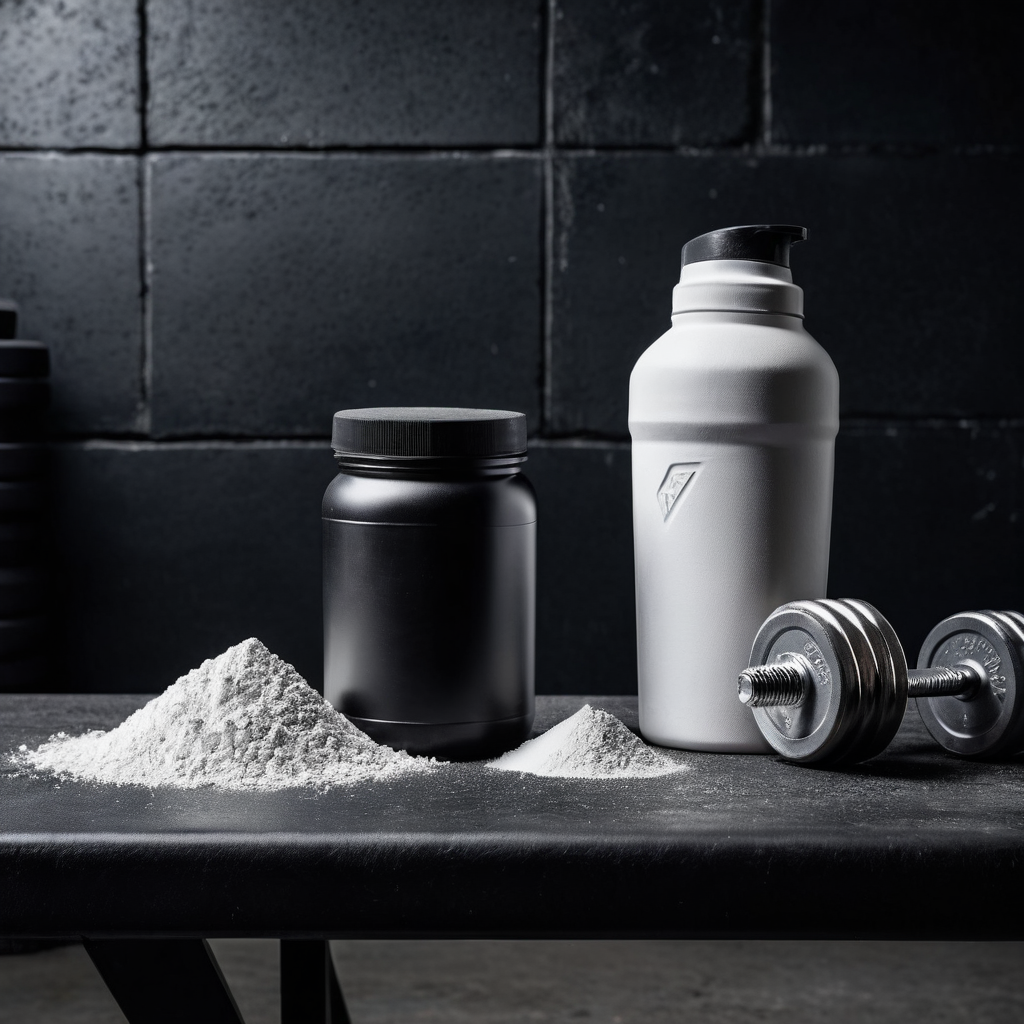
Every guy who's ever scooped creatine has heard the same two rumours in the changing room: it shrinks your balls and it wrecks your testosterone. Both get repeated with total confidence by someone who heard it from a mate who heard it from a guy on YouTube.
Let's do the ballsy thing and actually look at it.
What creatine actually is
Creatine is a compound your body already makes and stores in your muscles, and it's found in meat and fish. Supplementing it increases the phosphocreatine available in muscle, which helps you produce short bursts of energy — that's why it works for sprinting, heavy lifting and repeated high-intensity efforts. It's one of the most studied supplements in sports science, with decades of research behind it.
It is not a hormone. It is not a steroid. It doesn't act on your testicles the way testosterone or hCG does.
The "shrinking balls" rumour
This one comes from a genuine misunderstanding of how the male hormonal system works — and it's usually borrowed from steroid logic.
Here's the real mechanism people are half-remembering: your testicles produce testosterone, and they take orders from the brain. If you introduce a lot of external testosterone (steroids), the brain senses "we've got plenty" and dials down its own signal, so the testicles produce less and can shrink. That's real — for steroids.
Creatine doesn't do that. It doesn't add testosterone to your blood, so the brain has no reason to shut the factory down. Studies looking at creatine use haven't found meaningful suppression of natural testosterone production, and there's no plausible mechanism by which it would shrink your testicles.
Short version: if your balls got smaller on creatine, it wasn't the creatine.
The "tanks your testosterone" rumour
Also mostly noise. Some early, small studies showed tiny shifts in hormones; larger and better-controlled work generally hasn't found a consistent, meaningful drop in testosterone from creatine use. If anything, the effect tends to be neutral.
What can move your testosterone, and gets blamed on creatine by association:
- Sleep debt. See our [sleep and testosterone guide](/posts/sleep-testosterone-guide.html) — this one is real and it's the usual culprit.
- Alcohol. Covered properly in [alcohol and your balls](/posts/alcohol-and-your-balls.html). Drinking heavily is genuinely suppressive.
- Extreme dieting and overtraining. Low energy availability drops testosterone hard.
- Age and body fat. Both shift the picture over years, not weeks.
If your numbers came back low, look at sleep, booze, body fat and training load before you blame the powder.
The thing that IS worth watching: your kidneys and hydration
Creatine is genuinely safe for healthy people at normal doses, but a couple of practical points matter:
- It pulls water into muscle. You'll likely gain a couple of pounds of water weight in the first weeks. That's normal and not fat.
- Drink more water. Creatine increases water needs, especially in heat or during hard training. Dehydration is the realistic risk, not organ damage.
- If you have existing kidney disease, ask your doctor first. Creatine raises creatinine on blood tests — which can look like impaired kidney function even when it isn't. Tell your doctor you take it before any bloodwork, or you'll get a confusing result.
- Standard dosing is 3–5 g per day, every day. Skip the "loading phase" theatrics if you want — it just gets you saturated faster, it doesn't change the end result.
What creatine will not do
Let's be honest about the limits:
- It won't fix low testosterone.
- It won't replace sleep, food or actual training.
- It won't make you lean on its own — the water weight can even blur your progress for a fortnight.
- It won't shrink your balls.
What it will do is give you a small, real, well-documented edge in repeated high-intensity work. That's it. That's the whole pitch, and it's a decent one.
So what should you actually worry about, balls-wise?
Honestly? The stuff that's boring and proven:
- Sleep 7–9 hours. The single biggest lever on your testosterone.
- Keep the boys cool. Heat is genuinely bad for sperm production — tight synthetic underwear all day, hot laptops and long saunas are the real risks. Our [heat guide](/posts/heat-and-testicular-health.html) covers the detail.
- Do the 60-second self-check monthly. It's the highest-value habit in men's health and it costs you a minute in the shower. Here's [how to do it](/posts/testicular-cancer-awareness.html).
- Don't ignore pain. Sudden severe pain is an emergency — [torsion is a timer](/posts/testicular-torsion-signs.html).
The bottom line
Creatine is fine. Your balls are fine. The rumour mill is not fine.
Take 3–5 g a day, drink more water, tell your doctor you're on it before bloodwork, and spend your worry budget on sleep and self-checks instead. That's the ballsy, evidence-based answer.
General information, not medical advice. If something aches, swells or feels off down there — especially a new lump or pain that doesn't settle — see a doctor. Sudden or severe, don't wait. 💪
💪 Ballsy product picks
Men's health & grooming staples our readers trust. Affiliate links support the site at no extra cost to you.